

- Botanical Overview
- Iran’s Licorice Industry
- Global Market Dynamics
- Applications Across Industries
- Challenges and Opportunities
- Strategic Insights for Investors and Traders
- Conclusion
Introduction
Licorice (in the US) or Liquorice (in British), scientifically known as Glycyrrhiza glabra, is a perennial leguminous plant native to parts of Europe and Asia. Renowned for its sweet-tasting root, licorice has been utilized for centuries in various applications, ranging from traditional medicine to modern industries. This article delves into the global trade dynamics, production insights, and investment opportunities associated with licorice, with a particular focus on Iran’s pivotal role in the industry.
Botanical Overview
What is Licorice (Liqourice)?
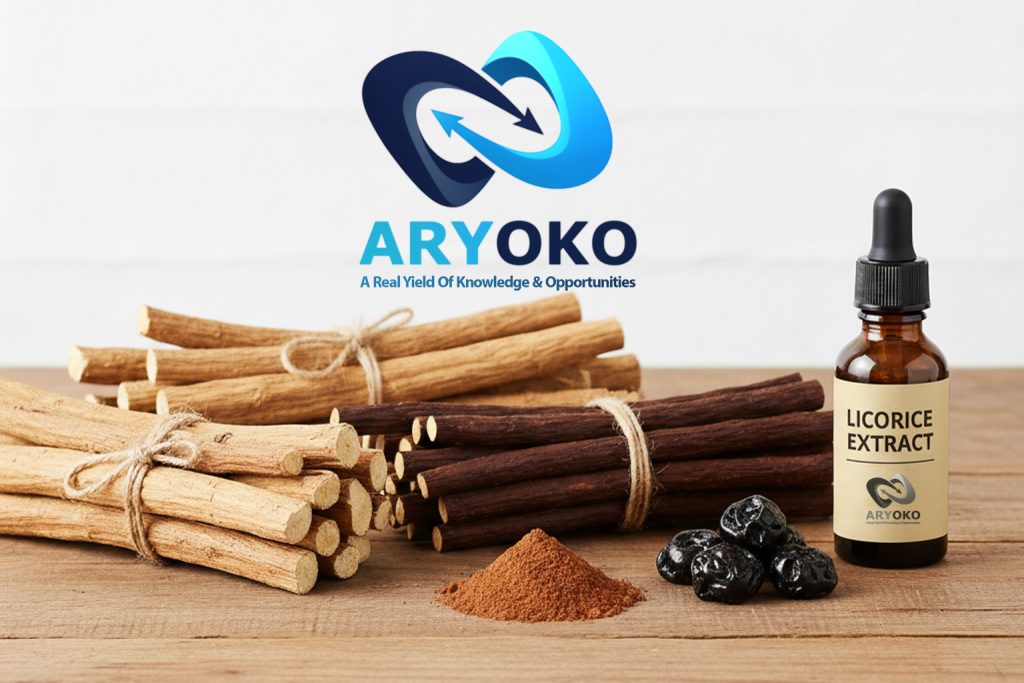
Licorice is a herbaceous plant with woody stems and pinnate leaves. It grows purple to pale blue flowers and is mainly cultivated for its roots, which contain glycyrrhizin — the compound that gives the plant its sweetness and healing properties.
Key Properties and Uses
Medicinal Applications:
Researchers and herbalists celebrate licorice root for its anti-inflammatory, antioxidant, and liver-protective effects. They use it to treat ulcers, respiratory problems, and digestive disorders.
Culinary Uses:
Beyond its medicinal benefits, licorice serves as a natural sweetener and flavoring agent in various confectioneries, beverages, and herbal teas.
Cosmetic Industry
Due to its skin-brightening and anti-inflammatory properties, licorice extract is incorporated into skincare products aimed at reducing pigmentation and soothing irritated skin.
Iran’s Licorice Industry
Production Regions and Volume
Iran stands as a leading producer of licorice, with cultivation concentrated in provinces like Fars, Kerman, Kermanshah, and “Kohgiluyeh and Boyer-Ahmad”. The country’s favorable climatic conditions and vast arid lands make it an ideal location for licorice farming. Reports indicate that Iran’s annual licorice production is approximately 7,500 tons, contributing significantly to the global supply.
Types of Licorice Products
Iran exports a diverse range of licorice products, including:
- Raw Licorice Root: Directly harvested and exported for further processing.
- Licorice Extract: Concentrated form of the root, rich in glycyrrhizin, used in pharmaceuticals and food industries.
- Licorice Powder: Finely ground root, utilized in various applications, including traditional medicine and as a flavoring agent.
Export Destinations & Volume
In 2023, Iran exported approximately $11.3 million worth of licorice extract. Major importers include:
Germany: $9.69 million
Netherlands: $507,000
South Africa: $251,000
These figures underscore Iran’s significant presence in the global licorice market.
🌍 Global Market Dynamics
Demand and Consumption Trends
The global licorice market is experiencing steady growth. The licorice candy market, for instance, was valued at approximately $306.4 million in 2025 and is projected to reach $455.2 million by 2035, expanding at a compound annual growth rate (CAGR) of 5.2%. This growth is driven by increasing consumer preference for natural and herbal confectionery products.
Major Importers
Key global importers of licorice products include:
- United States: Leading the market with significant import volumes.
- China: A major player in the licorice trade, both as an importer and exporter.
- Vietnam: Notable for its growing demand for licorice products.
These countries collectively account for a substantial share of the global licorice trade.
🏭 Applications Across Industries
Pharmaceuticals
Pharmaceutical companies use liquorice to produce medicines that treat ulcers, respiratory problems, and digestive disorders.
Food and Beverage
Licorice serves as a natural sweetener and flavoring agent in various confectioneries, beverages, and herbal teas. Its unique flavor profile makes it a sought-after ingredient in the food industry.
Cosmetics & Personal Care
The liquorice extract has skin-brightening and anti-inflammatory properties. This feature made it an integral part of skincare products aimed at reducing Unnatural and unwanted pigmentation and soothing irritated skin.
Tobacco & Historical Uses
The liquorice was an important flavouring additive in tobacco products, especially the cigars, for many years and decades. Although its use in this industry has declined, it remains an integral part of the tobacco industry’s rich history.
⚠️ Challenges and Opportunities
Environmental & Regulatory Challenges
Licorice cultivation faces challenges such as water scarcity and soil degradation. Additionally, varying international regulations can impact trade dynamics.
Growth Opportunities
- Sustainable Cultivation: Implementing eco-friendly farming practices can enhance production efficiency and environmental sustainability.
- Product Diversification: Developing new licorice-based products can open new market avenues.
- Market Expansion: Targeting emerging markets can drive growth in the licorice industry.
💼 Strategic Insights for Investors and Traders
Market Entry & Supply Chain
Investors and traders looking to enter the licorice market should consider establishing partnerships with Iranian producers. Understanding the supply chain dynamics, from cultivation to export, is crucial for success.
Risk Assessment
Potential risks include environmental factors affecting production and geopolitical issues impacting trade. Conducting thorough market research and establishing risk mitigation strategies are essential.
🔚 Conclusion
Licorice, particularly Glycyrrhiza glabra, presents significant opportunities in global trade and investment. Iran’s strategic position as a leading producer and exporter offers numerous avenues for business ventures. By addressing existing challenges and leveraging growth opportunities, stakeholders can capitalize on the expanding licorice market.
References:
1- https://iranconsultation.com/iranian-licorice-suppliers-exporters-producers/?utm_source=chatgpt.com
2- https://oec.world/en/profile/bilateral-product/liquorice-extract/reporter/irn?utm_source=chatgpt.com
3- https://www.intelmarketresearch.com/licorice-extract-market-16483?utm_source=chatgpt.com
4- https://www.futuremarketinsights.com/reports/licorice-extract-market?utm_source=chatgpt.com