

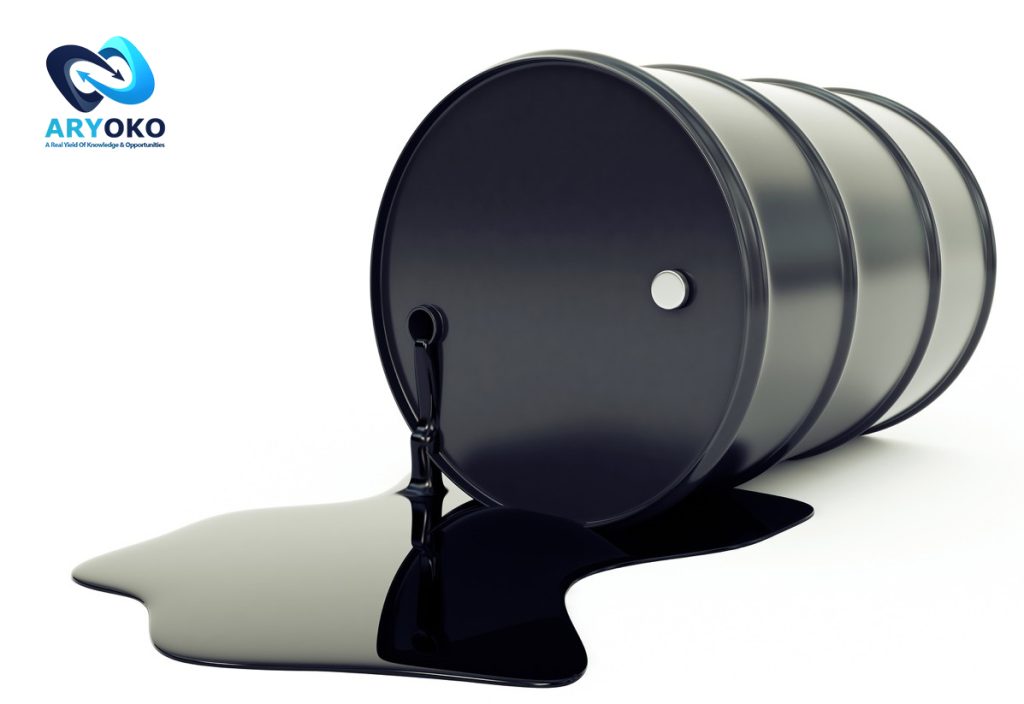
- Overview of Iran’s Petrochemical Industry
- Key Figures & Recent Performance (2022–2025)
- Bitumen in Iran — Production, Grades, and Export Dynamics
- Common Bitumen Grades
- Market Demand & Export Destinations
- Petrochemical Products Beyond Bitumen
- Investment & Trade Opportunities
- Challenges & Considerations
- Best Practices for Importers & Exporters
- Roadmap for Starting or Expanding a Bitumen Export Business in Iran
- Conclusion & Outlook (2025–2030)
Overview of Iran’s Petrochemical Industry
Iran’s petrochemical sector stands as one of the most strategically important pillars of its non-oil economy. Supported by vast oil and gas reserves, the country has developed a comprehensive refining and petrochemical infrastructure capable of producing a wide range of products essential for global markets.
According to recent industry data, Iran’s petrochemical production capacity was estimated at about 92 million tons in 2023, supported by extensive refinery units, downstream facilities, and ongoing investment plans targeting capacity expansion. This network underpins not only large-scale petrochemical production but also supports Iran’s significant bitumen output.
Export revenues from petrochemical products account for a considerable portion of Iran’s non-oil exports — making the industry indispensable for long-term economic resilience.
Key Figures & Recent Performance (2022–2025)
| Indicator | Value / Comment |
|---|---|
| Annual bitumen production | Approx. 5.5–6.0 million tons |
| Annual bitumen exports | Approx. 4 million tons |
| Annual export revenue | ≈ USD 1.5 billion |
| Number of export destinations | Over 15 countries |
Bitumen in Iran — Production, Grades, and Export Dynamics
Production and Export Volumes
Bitumen production in Iran has increased significantly over the past decade — rising from an estimated 3 million tons to over 5.5 million tons annually. Around 4 million tons are exported each year, solidifying bitumen as one of Iran’s most stable and vital export categories.
Common Bitumen Grades
- Penetration Grades: 60/70, 80/100 – widely used for standard hot-mix asphalts.
- Viscosity Grades (VG): Suitable for warmer climates and heavy-duty road applications.
- Bitumen Emulsions: Ideal for road maintenance and cold-mix asphalt.
- Cutback Bitumen: Preferred for waterproofing and specialized construction projects.
Place Chart Here: Bitumen Grades vs. Applications
Iran’s Global Bitumen Export Position
Iran is recognized as one of the top global exporters of bitumen, benefiting from competitive pricing, high production capacity, and proximity to several major demand markets across Asia, Africa, and the Middle East.
Market Demand & Export Destinations
Global Infrastructure Demand
Demand for bitumen continues to rise globally due to extensive road-building, modernization of transportation networks, and increasing urbanization. This trend is most visible in South Asia, the Middle East, and Africa — regions where Iran holds logistical advantages.
Export Regions & Trade Routes
Iranian bitumen is exported to:
- South and Southeast Asia
- Middle Eastern countries
- Africa
- Selective Eastern European markets
Place Map Here: Main Bitumen Importing Regions
Petrochemical Products Beyond Bitumen
Iran’s petrochemical capabilities extend far beyond bitumen. The country exports a broad spectrum of base chemicals, polymers, solvents, and downstream derivatives. This diversified product offering makes Iran an attractive partner for companies seeking a complete petrochemical supply chain strategy.
Investment & Trade Opportunities
- Competitive Pricing: Iran consistently offers some of the region’s most competitive bitumen prices.
- Product Diversity: Multiple grades and petrochemical derivatives serve different project requirements.
- Geographic Advantage: Near key infrastructure-hungry regions.
- Strong Non-Oil Export Potential: Provides a stable alternative to crude oil trade.
Challenges & Considerations
- Raw Material Allocation: Variations in refinery feedstock can affect production.
- Quality Compliance: International buyers require ASTM/EN-certified material.
- Logistics Reliability: Efficient port access and container scheduling are essential.
- Sanctions & Banking Restrictions: Payments and documentation require careful planning.
- Global Oil Price Volatility: Bitumen prices follow crude oil trends.
Best Practices for Importers & Exporters
- Select suppliers capable of issuing COA, MSDS, and third-party inspection approvals.
- Use clear Incoterms such as FOB Bandar Abbas, CFR, or CIF.
- Define packaging: drums, jumbo bags, or bulk.
- Plan logistics early — especially for large projects.
- Maintain documentation for customs and compliance.
Place Checklist Graphic Here
Roadmap for Starting or Expanding a Bitumen Export Business in Iran
- Conduct market & demand research for target countries.
- Evaluate supplier reliability and production capacity.
- Clarify legal, financial, and logistical frameworks.
- Choose appropriate transport routes and packaging.
- Negotiate long-term supply contracts.
- Create multi-product export lines (bitumen + petrochemicals).
- Implement risk management strategies for pricing and currency.
Conclusion & Outlook (2025–2030)
Iran’s bitumen and petrochemical industries offer a powerful combination of scale, competitive pricing, diversified product output, and strategic proximity to high-demand regions. With a production level of 5.5–6 million tons and exports nearing 4 million tons, Iran is firmly positioned among the world’s top bitumen exporters.
Global infrastructure investment trends continue to favor high-volume bitumen suppliers. For international traders, investors, and supply-chain operators, Iran represents a market with substantial long-term potential — provided quality control, compliance, and logistics are managed with precision.
Interested in trading or investing in Iran’s bitumen and petrochemical sector?
Contact us for sourcing, quality verification, and international trade consultation.
Leave a Reply