

- Iran’s Agricultural Foundation & Raisin Production Landscape
- Major Raisin Varieties Produced in Iran
- Iran’s Position in the Global Raisin Market
- Challenges & Weaknesses in Iran’s Raisin Industry
- Opportunities & Investment Potential for Global Partners
- Quality Standards & Compliance for Export-Ready Raisins
- Strategic Summary & Outlook (2025–2030)
Executive Summary
Iran stands among the world’s top raisin-producing and exporting countries, supported by a unique combination of climate, centuries-long agricultural expertise, and a mature dried-fruit ecosystem. With an annual output of over 150,000 metric tons — of which nearly 80–85% is exported — Iran remains a critical supplier in global raisin trade routes across Europe, the Middle East, South Asia, and the CIS region.
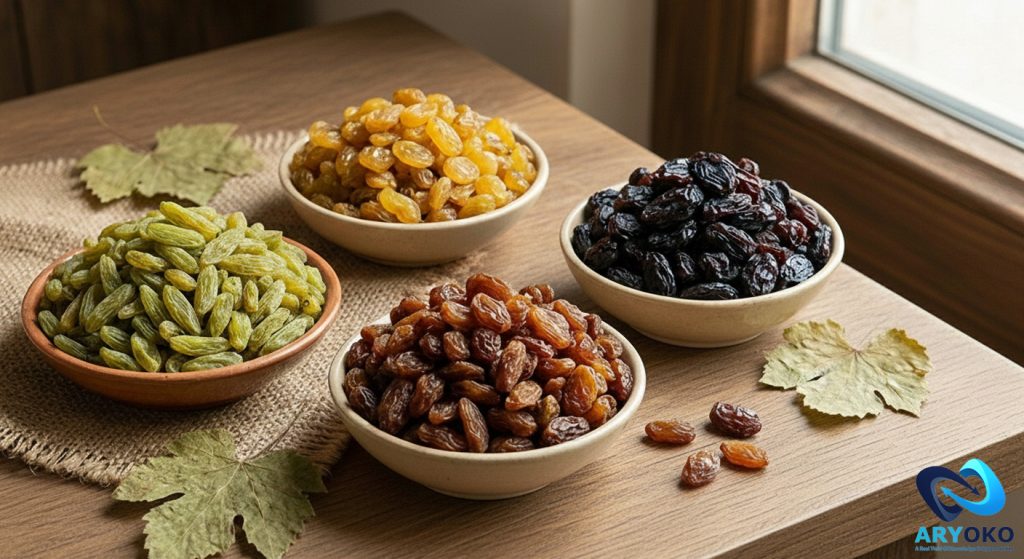
The diversity of Iranian raisin varieties — including Golden, Sultana, Green (Kashmari), Sun-Dried, and Black Raisins — allows buyers to target a wide spectrum of product categories from bakery and confectionery industries to premium retail and bulk wholesale channels.
This report provides a comprehensive, data-driven analysis of Iran’s raisin market, addressing production, export dynamics, competitive advantages, challenges, and strategic investment opportunities.
Iran’s Agricultural Foundation & Raisin Production Landscape
A Climate Perfectly Suited for Raisin Making
Iran’s geography provides a natural competitive edge:
- Hot, dry summers
- Low humidity
- Long hours of sunlight
- Varied altitudes, suitable for different grape varieties
These conditions reduce drying costs, improve natural sweetness, and enhance product consistency.
Major Raisin-Producing Regions
Iran’s raisin production is concentrated in historically established agricultural hubs:
| Region (Province) | Notable Varieties | Key Strengths |
|---|---|---|
| Malayer (Hamedan) | Sultana, Seedless | Large-scale sun-drying capacity; consistent quality |
| Takestan (Qazvin) | Sultana, Golden | One of the biggest raisin hubs in the Middle East |
| Khorasan Razavi | Green / Kashmari | Unique long, green raisins with high global demand |
| East & West Azerbaijan | Natural & Sun-Dried | Cooler climate enhances grape quality |
| Fars Province | Mixed Varieties | Extensive vineyards, industrial processing centers |
Annual Output & Export Share (Latest Verified Figures)
- Total Raisin Production: 150,000+ MT
- Annual Exports: 120,000–130,000 MT
- Export Share: 80–85% of total production
- Global Ranking: Among the Top 3–5 largest exporters worldwide
Major Raisin Varieties Produced in Iran
Iran offers one of the widest ranges of raisin varieties in the world, each serving a distinct market segment.
Golden Raisins (Sulfur Treated)
Target Markets: Europe, USA, GCC
Use Cases: Bakery, confectionery, cereals, snacks
Golden raisins from Iran are prized for:
- Bright golden color
- Uniform size
- Controlled sulfur treatment
- Soft texture and mild sweetness
They meet strict color and moisture requirements demanded by global food manufacturers.
Sultana Raisins (Sun-Dried or Natural)
Target Markets: Middle East, Russia, India, ASEAN
Sultana raisins are one of Iran’s highest-volume exports due to:
- Competitive pricing
- Naturally sweet flavor
- Seedlessness
- Large-scale sun-drying operations
They are widely used in bread, pastries, snacks, bulk mixes, and food processing.
Kashmari / Green Long Raisins
Target Markets: South Asia, Southeast Asia, Premium Retail Chains
These long, elegant, green/yellow raisins are known for:
- Distinct shape and color
- Premium niche positioning
- High-value retail potential
Kashmari raisins are among Iran’s most specialty and visually appealing products.
Black Raisins (Sun-Dried / Natural)
Target Markets: Traditional food sectors, health-food brands, organic markets
Known for:
- Deep natural color
- Stronger aroma
- No sulfur treatment
- High mineral content
Increasing global demand for natural & chemical-free products has shifted retailers toward black raisins.
Iran’s Position in the Global Raisin Market
Competitive Advantages
Iran maintains a strong position due to:
- Price Competitiveness: Lower production and labor costs compared to Europe and the U.S.
- Diverse Product Portfolio: Ability to supply both bulk industrial raisins and premium specialty varieties.
- Stable Supply for B2B Buyers: Long-established export pathways and large-scale processing units.
- Strategic Geographic Location: Access to CIS, Europe, Middle East, South Asia.
Key Export Destinations
Iran exports raisins to more than 80 countries, with significant market share in:
- UAE
- Turkey
- Russia
- Germany
- Spain
- India
- Saudi Arabia
- Kazakhstan
- Malaysia
- Qatar
- Oman
Challenges & Weaknesses in Iran’s Raisin Industry
Despite its strengths, Iran faces structural and operational challenges that influence price, quality, and export stability.
Major Challenges
- Water Scarcity & Climate Stress: Impacting vineyard yield and quality in certain regions.
- Packaging & Branding Gaps: Some exporters still rely on commodity sales instead of brand-based value creation.
- Sanctions & Banking Restrictions: Not directly related to raisin quality but affecting transaction processes.
- Fragmentation of Small Farms: Leads to inconsistent quality unless suppliers operate via integrated supply chains.
- Strong Competition: Other producers like Turkey and California maintain advanced industrial processing capabilities.
Opportunities & Investment Potential for Global Partners
High-Value Investment Opportunities
For forward-looking investors, Iran presents significant opportunities in:
- Processing & Packaging Facilities: Nitrogen-flushed packaging, retail-ready lines, private-label production — high ROI due to robust global demand.
- Organic & Specialty Raisin Production: Growing demand in Europe and East Asia for organic, chemical-free raisins.
- International Distribution Hubs: Setting up cross-border storage and re-export hubs (e.g. UAE, Oman, Turkey).
- Vineyard Modernization Projects: Technology-based irrigation, improved drying tunnels, controlled-environment production to mitigate climate risk.
- Joint Ventures with Established Exporters: For exclusive global distribution agreements.
Why Investors Are Targeting Iran (2025–2030 Outlook)
– Rising global demand for dried fruits and healthy snacks.
– Competitive production costs — offering attractive margins.
– Strategic location bridging MENA, CIS, South Asia, and European markets.
– Strong export history and established infrastructure despite past economic challenges.
Quality Standards & Compliance for Export-Ready Raisins
International buyers expect raisins to meet stringent food safety and quality standards. Key criteria include:
- Moisture Content: 12–16% depending on variety
- SO₂ / Sulfur Limits: For Golden raisins — typically below 3,000 ppm
- Required Certifications: ISO 22000, HACCP, GMP (and optional HALAL as per buyer region)
- Production Controls: Laser sorting, metal detection, X-ray inspection recommended for export-grade quality
- Packaging Requirements: Food-grade, nitrogen-flushed bags or bulk cartons (5–12.5 kg) and retail packs (250g–1kg) according to buyer specifications
Strategic Summary & Outlook (2025–2030)
Iran’s raisin industry is entering a transformative phase. With stable production capacity, strong export history, and increasing global demand for dried fruits, Iran remains one of the world’s most reliable sources for raisins.
Despite external challenges — such as climate constraints and transaction limitations — the country’s raisin producers continue to adapt through improved processing, quality control, and integrated value chains.
For international traders, B2B buyers, wholesalers, and investors, Iran presents one of the most cost-effective, diversified, and high-potential opportunities in the global dried fruit market.
With proper partnerships, due diligence, and alignment with international standards, Iran can serve as a profitable, long-term sourcing and investment destination for the next decade.