


- Strategic Geographical Positioning
- Transportation Infrastructure Overview
- Challenges in Iran transportation industry
- Opportunities for Investment and Growth
- Future Outlook and Strategic Recommendations
- Conclusion
Introduction
Iran’s transportation and logistics industry stands as a vital bridge between East and West. With its strategic location connecting the Middle East, Central Asia, and the Caucasus, Iran plays a crucial role in global trade routes and regional supply chains.
In 2024, the Iran logistics market was valued at around USD 18.51 billion and is projected to reach USD 26.23 billion by 2033, growing at a CAGR of 3.95% (IMARC Group, 2024). This steady growth reflects rising investments in infrastructure, expanding trade corridors, and renewed interest from international investors.

The Iran transportation industry covers road, rail, air, and maritime networks — each essential for moving goods efficiently across domestic and international markets. Major upgrades in highways, railway corridors, and port capacity are transforming the country into a key regional logistics hub.
However, challenges remain. Aging infrastructure, complex customs processes, and limited digitalization often slow operations. Yet, these same gaps also present opportunities for modernization, innovation, and strategic investment.
For global traders and investors, understanding Iran’s logistics landscape is essential. The sector’s transformation offers a rare chance to engage in one of the Middle East’s most dynamic and underexplored markets.
This article delves into the intricacies of Iran’s transportation and logistics industry, providing comprehensive insights for global traders and investors seeking to navigate and capitalize on this dynamic market.
Strategic Geographical Positioning

Iran’s strategic location places it at the crossroads of major trade routes connecting the Middle East, Central Asia, the Caucasus, and Europe. This unique positioning enables Iran to serve as a critical transit hub, facilitating the efficient movement of goods across multiple regions.
One of the most significant initiatives leveraging Iran’s location is the International North–South Transport Corridor (INSTC), a multimodal network connecting India, Iran, Russia, and Europe. The INSTC aims to reduce transit time and shipping costs by up to 40% compared to traditional routes through the Suez Canal (UNESCAP, 2023).
Iran’s proximity to the Persian Gulf and the Caspian Sea further enhances its connectivity, with major ports like Bandar Abbas and Bandar Anzali serving as gateways for maritime trade. Additionally, Iran shares extensive land borders with eight countries, including Turkey, Iraq, Pakistan, Turkmenistan, and Azerbaijan, making it a strategic land corridor for regional trade.
The country’s central positioning also presents significant opportunities for investors and global traders seeking efficient and cost-effective logistics solutions. By capitalizing on its geographic advantages, Iran can further integrate into regional and international supply chains, attracting investment in transport infrastructure, warehousing, and multimodal logistics solutions.
Transportation Infrastructure Overview
Iran’s transportation infrastructure forms the backbone of its logistics sector, encompassing an extensive network of roads, railways, airports, and maritime ports. This multimodal system enables efficient domestic and international movement of goods, supporting trade, commerce, and economic development. Each mode of transport plays a vital role in connecting production centers, industrial zones, and export gateways, making Iran a strategic logistics hub in the region.
Road Transportation
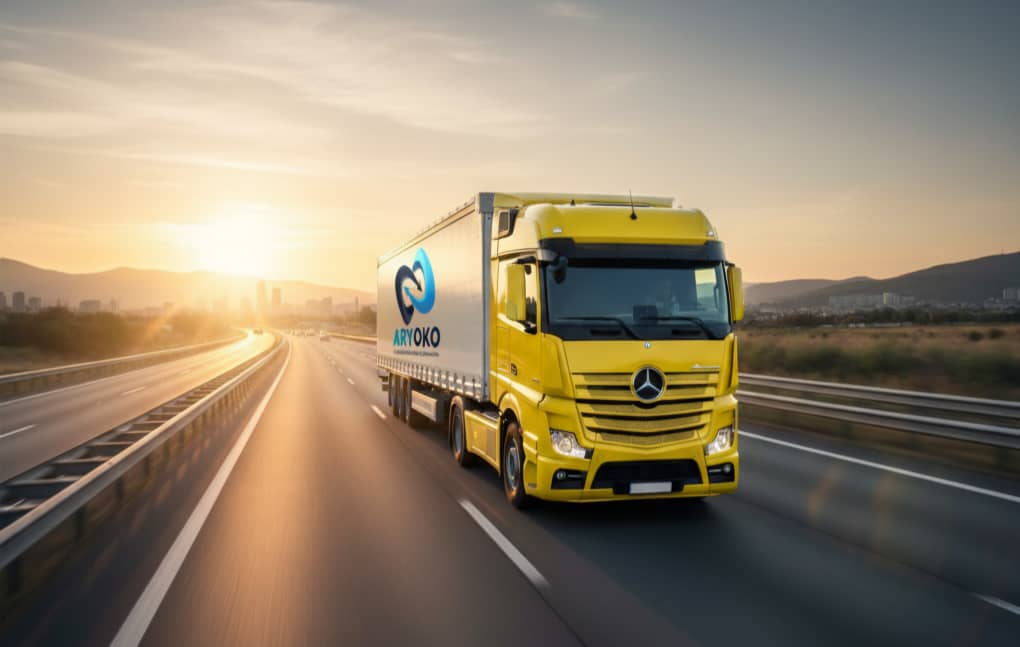
Road transportation remains the dominant mode for domestic freight in Iran, accounting for approximately 70% of total cargo movement (Iran Ministry of Roads and Urban Development, 2024). Iran’s road network extends over 180,000 kilometers, including more than 25,000 kilometers of highways connecting major cities, industrial hubs, and border crossings.
The trucking industry in Iran plays a crucial role in facilitating domestic and cross-border trade, with modern fleets gradually replacing older vehicles to improve efficiency and safety. Despite challenges such as aging infrastructure in some regions and rising fuel costs, road transport continues to be a vital component of the logistics network, particularly for time-sensitive cargo and regional deliveries.
Rail Transportation

Iran’s rail network is a rapidly developing component of its transportation infrastructure, currently spanning over 13,500 kilometers. Rail transport accounts for approximately 8–10% of domestic freight movement, with major lines connecting industrial hubs, ports, and border crossings (Iran Railways, 2024).
Key projects, such as the Tehran–Mashhad high-speed freight corridor and connections to neighboring countries including Turkey, Turkmenistan, and Pakistan, enhance Iran’s role in regional logistics. Rail freight provides an efficient and cost-effective alternative for heavy and bulk commodities, particularly for industries like petrochemicals, minerals, and agricultural exports.

Modernization efforts, including electrification and upgrading of rolling stock, aim to increase speed, reliability, and international competitiveness, making Iran an increasingly attractive option for multimodal transport solutions.
Air Freight
Air freight in Iran plays a crucial role in the rapid movement of high-value and time-sensitive goods. Major airports, including Tehran Imam Khomeini International Airport, Shiraz Airport, and Mashhad Airport, handle a significant portion of air cargo traffic (ACI World, 2024)

Iran’s cargo airlines, such as Iran Air Cargo and Mahan Air Cargo, offer domestic and international services, connecting Iran to key markets in Europe, the Middle East, and Asia. Although air freight represents a smaller share of total cargo transport compared to road and rail, it is indispensable for pharmaceutical products, perishables, and electronics. Investments in modern cargo terminals and handling facilities continue to enhance efficiency and reliability.
Maritime Transport
Iran’s maritime transport sector is anchored by major ports along the Persian Gulf and the Caspian Sea, including Bandar Abbas, Shahid Rajaee Port, and Bandar Anzali. Collectively, these ports handle millions of tons of cargo annually, serving as critical gateways for imports, exports, and regional trade (UNCTAD, 2023)

The shipping industry in Iran facilitates containerized cargo, bulk shipments, and liquid commodities such as oil and petrochemicals. Ongoing port modernization projects, including automation of container handling and expansion of berth capacity, aim to improve operational efficiency and support Iran’s role as a key maritime logistics hub in the region. Maritime transport complements road, rail, and air networks, enabling seamless multimodal solutions for domestic and international trade.
Challenges in Iran transportation industry
Customs procedures in Iran are frequently complex and slow. Clearance at ports and land borders often causes significant delays. The World Bank’s Logistics Performance Index 2023 places Iran 123rd out of 139 countries (overall score 2.3), which points to substantial opportunities to streamline procedures and reduce dwell time. By simplifying formalities, increasing transparency, and adopting electronic single-window systems, the Iran logistics sector can improve timeliness and competitiveness.
Limited adoption of digital technologies and modern supply chain management systems poses another challenge. While road and rail networks are extensive, inefficiencies in fleet management, tracking systems, and warehouse automation affect operational performance. Addressing these issues is essential for enhancing trade facilitation, attracting foreign investment, and positioning Iran as a competitive regional logistics hub.
Opportunities for Investment and Growth
There are significant opportunities for investment and growth in Iran transportation industry. The government has prioritized infrastructure development through large-scale projects, including highway expansions, railway modernization, port upgrades, and multimodal logistics hubs.

Special Economic Zones (SEZs) and Free Trade Zones, such as Chabahar Free Zone and Anzali Port Economic Zone, offer incentives for foreign investors, including tax exemptions, simplified customs procedures, and streamlined business regulations. These zones are strategically designed to boost regional trade, attract investment, and enhance export capabilities.
Trade agreements with neighboring countries, particularly within the Economic Cooperation Organization (ECO) and bilateral agreements with Turkey, Russia, and Central Asian nations, further expand Iran’s connectivity and market access.
Additionally, digitalization and adoption of modern logistics technologies, such as fleet management systems, warehouse automation, and blockchain-based supply chain tracking, provide avenues for efficiency improvements and competitive advantage. For global investors and trading companies, these developments represent a strategic entry point into a rapidly evolving market with long-term growth potential.
Future Outlook and Strategic Recommendations
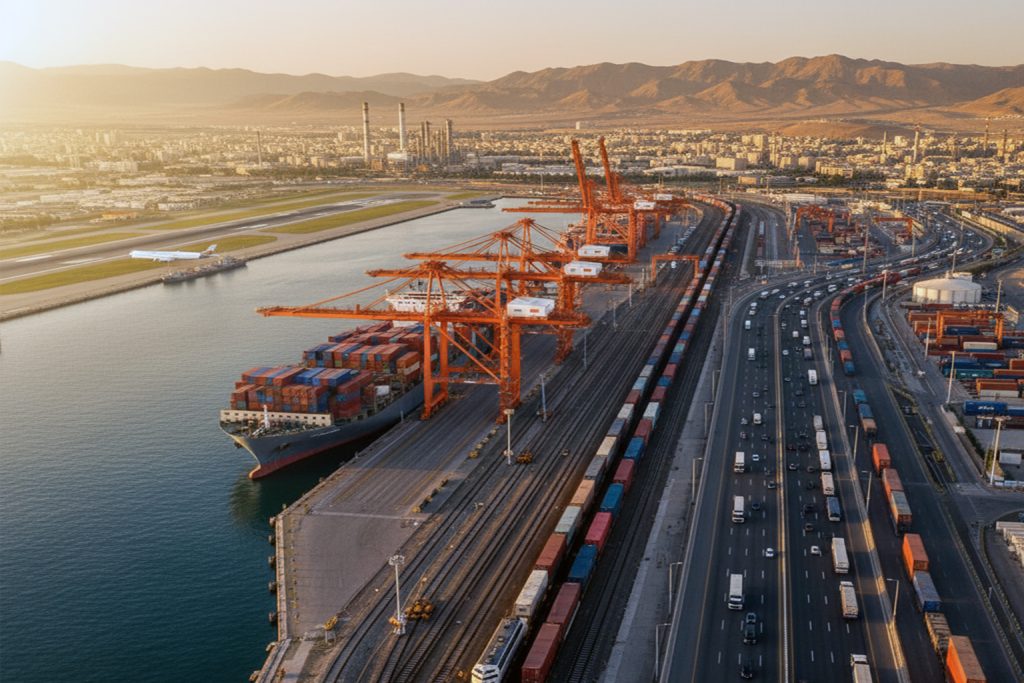
The future of Iran’s logistics sector is poised for significant transformation, driven by technological innovation, infrastructure development, and strategic policy initiatives. Digital logistics solutions, including IoT-enabled fleet tracking, warehouse automation, and blockchain-based supply chain management, are expected to enhance efficiency, transparency, and reliability.
Sustainability is also gaining prominence, with initiatives aimed at green logistics, including fuel-efficient vehicles, optimized routing, and renewable energy integration in ports and warehouses. These trends align with global standards and increase Iran’s attractiveness to environmentally conscious international investors.
Strategically, companies entering the Iranian market should focus on multimodal solutions that leverage the country’s road, rail, air, and maritime networks. Collaboration with local partners, investment in technology adoption, and alignment with government-led infrastructure projects can unlock competitive advantages.
By addressing current challenges while capitalizing on modernization efforts and trade agreements, Iran can strengthen its position as a regional logistics hub, providing global traders and investors with long-term growth opportunities in an increasingly interconnected market.
Conclusion
Iran’s transportation and logistics sector represents a strategic gateway for international trade, supported by a growing infrastructure network encompassing road, rail, air, and maritime transport. While challenges such as outdated infrastructure, customs complexities, and technological gaps persist, the opportunities for investment and growth remain substantial.

By leveraging its strategic geographic location, modernizing its logistics networks, and embracing technological innovations, Iran is positioning itself as a competitive regional hub. For global traders and investors, this sector offers a promising environment to explore multimodal solutions, capitalize on trade corridors, and contribute to the country’s evolving supply chain ecosystem.