
- What is Iranian Barberry?
- Types of Iranian Barberry
- Health Benefits of Barberry
- Iranian Barberry Production & Export Market
- How to Enter the Barberry Trade
- Conclusion
What is Iranian Barberry?
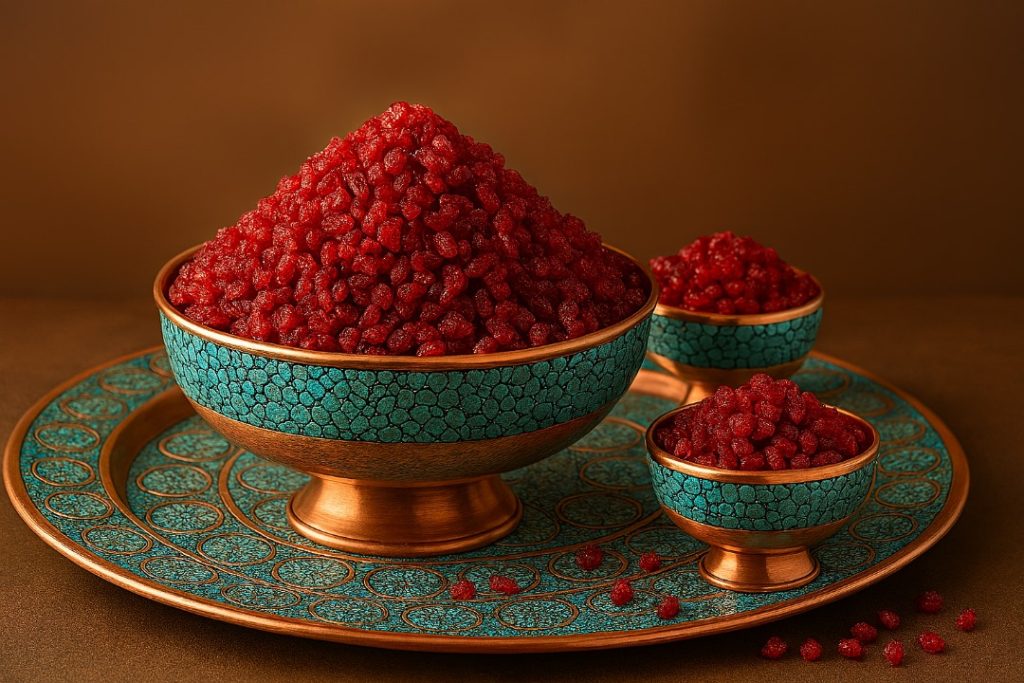
Iranian barberry, scientifically known as Berberis vulgaris, is a small red fruit with a unique sour taste and bright ruby color. For centuries, it has played a vital role in Persian cuisine, herbal medicine, and international trade. Today, Iran accounts for more than 95% of global barberry production, making it a strategic export commodity alongside saffron and pistachios.
Barberry’s origin and Cultivation districts in Iran
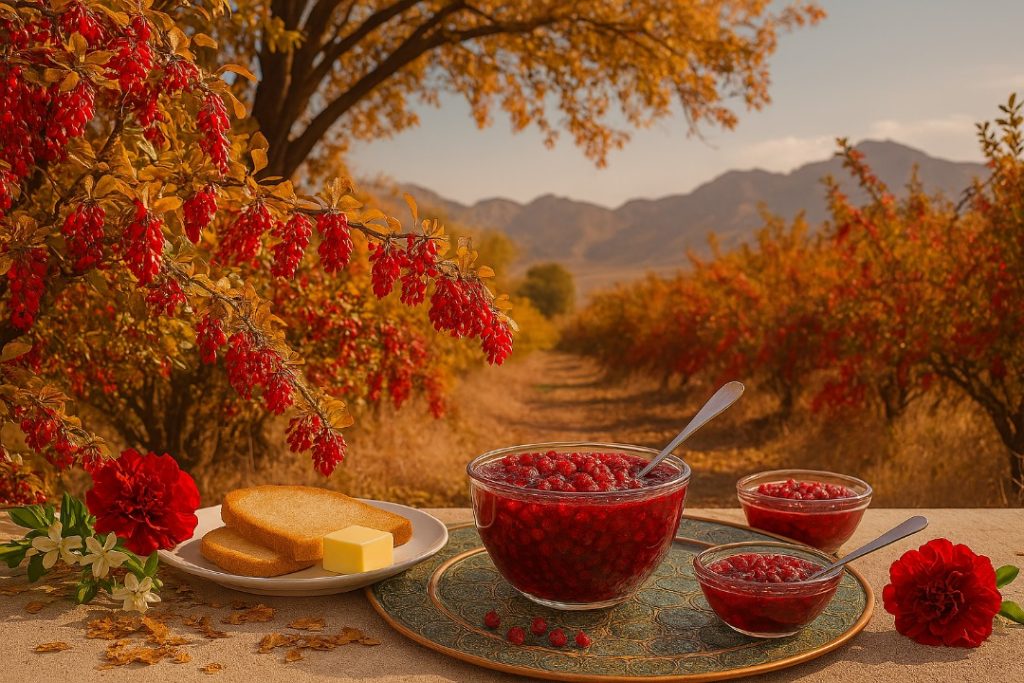
The heartland of Iranian barberry cultivation is South Khorasan province, particularly the cities of Birjand, Qaen, and Ferdows. Farmers here have mastered the art of cultivating barberry shrubs in semi-arid conditions, often combining them with saffron farming for efficient land use. With over 50,000 hectares of plantations, Iran produces more than 200,000 tons annually.
Nutritional & Physical Characteristics
Barberries are distinguished by their deep red color, tart flavor, and high antioxidant content. They are naturally rich in vitamin C, fiber, and polyphenols, making them a functional food for health-conscious markets. Their glossy skin and vibrant acidity also make them popular in gastronomy, from rice dishes (zereshk polo) to sauces, jams, and syrups.
Types of Iranian Barberry
Anari Barberry
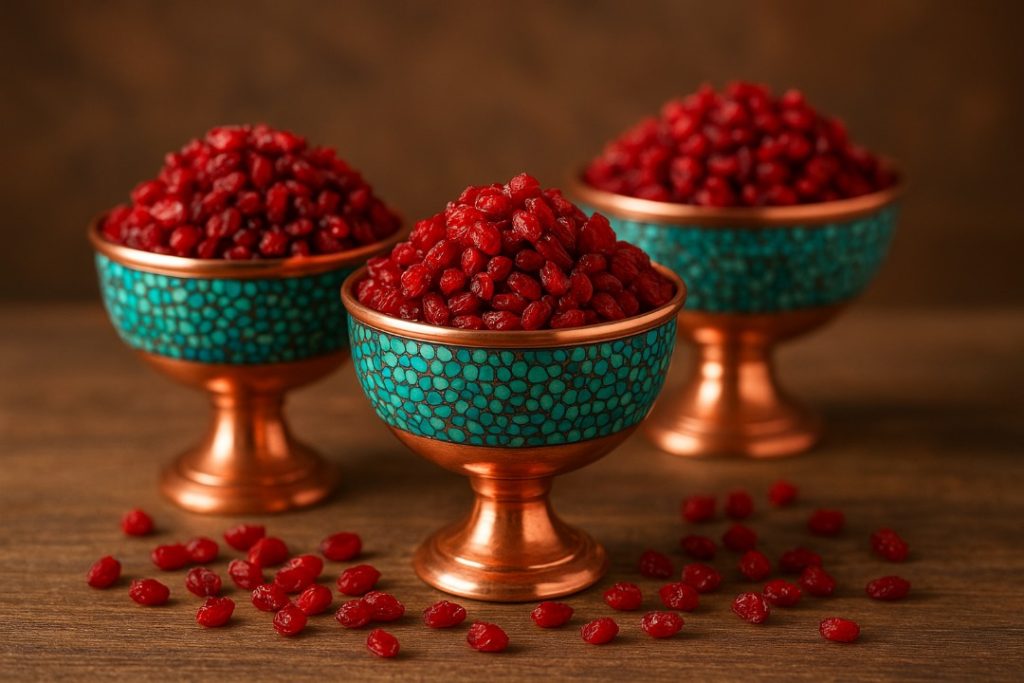
Anari barberry is the most common type, dried naturally under sunlight. It has a darker red color, intense sourness, and is widely used in both local and international markets. Its affordability makes it attractive for large-scale B2B buyers.
Pofaki Barberry
Known as the premium variety, Pofaki barberry is dried in shade, giving it a lighter red hue and puffier texture. It is less acidic, visually appealing, and commands a higher price. Gourmet markets in Europe and the Middle East prefer this type for retail packaging.
Zir-Talari & Fresh Barberry
Other varieties include Zir-Talari, a regional specialty, and fresh (juicy) barberry, available seasonally. Fresh berries are increasingly sought after in niche health markets for smoothies and nutraceuticals.
Health Benefits of Barberry
Barberry is not only a culinary ingredient but also a functional superfood.
Nutritional Properties
Barberries are rich in vitamin C, potassium, magnesium, and dietary fiber. Their antioxidant compounds, particularly berberine, contribute to immune system support and cellular protection.
Medicinal and Traditional Uses
In Persian traditional medicine, barberry has been used for centuries to support liver health, regulate blood pressure, and improve digestion. Modern clinical studies suggest barberry may help manage blood sugar levels, making it attractive for health-conscious consumers.
Iranian Barberry Production & Export Market
Iran’s Production Capacity & Monopoly
Iran dominates the world barberry market with over 95% global share. The country’s annual output exceeds 200,000 tons, making it the undisputed global leader. South Khorasan alone accounts for more than 90% of this production, highlighting its strategic role in Iranian agriculture.
Main Export Destinations
Iranian barberries are exported to more than 30 countries. Germany, the UAE, Turkey, Russia, and East Asian markets (such as Japan and South Korea) are the primary destinations. Growing interest from North America is also emerging, particularly for organic-certified varieties.
Challenges & Opportunities
Despite its potential, the export of barberry faces logistical and regulatory challenges. Key obstacles include:
- Packaging standards: European and American buyers demand vacuum-sealed or nitrogen-packed products.
- Food safety certifications: HACCP, ISO, Organic, and FDA approval are increasingly essential.
- Branding gaps: Unlike saffron, barberry has yet to build strong brand recognition globally.
Opportunities lie in value-added products such as barberry-infused beverages, nutraceutical capsules, and organic-labeled dried berries.
How to Enter the Barberry Trade
Standards and Certifications
Exporters aiming at premium markets should secure certifications such as HACCP, ISO 22000, Organic EU, and FDA compliance. These standards enhance trust and open doors to Europe and North America.
Key Tips for Exporters
- Invest in premium packaging: Vacuum or nitrogen-flushed packs increase shelf life.
- Leverage digital marketing: SEO-driven websites and B2B platforms (Alibaba, Global Sources) expand visibility.
- Highlight traceability: Buyers seek transparency in farming and supply chains.
- Build trust with storytelling: Emphasize the cultural and historical value of “Persian barberry.”
Conclusion
Iranian barberry, the “Pristine of Iran,” is far more than a sour berry—it is a powerful agricultural asset with immense global potential. With its unique varieties, rich nutritional benefits, and dominant share in world production, barberry stands as a promising opportunity for B2B traders and food industry professionals. By focusing on quality standards, innovative branding, and global partnerships, exporters can transform this traditional fruit into a modern export success story.