

- Introduction
- Production Capacity and Key Manufacturers
- Types of Cables Produced in Iran
- Domestic Demand and Applications
- Export Markets for Iranian Cables
- Competitive Advantages of Iranian Cable Industry
- Challenges Facing the Industry
- Opportunities for Growth
- Economic and Strategic Significance
- Conclusion
- Internal Linking Suggestions
Introduction
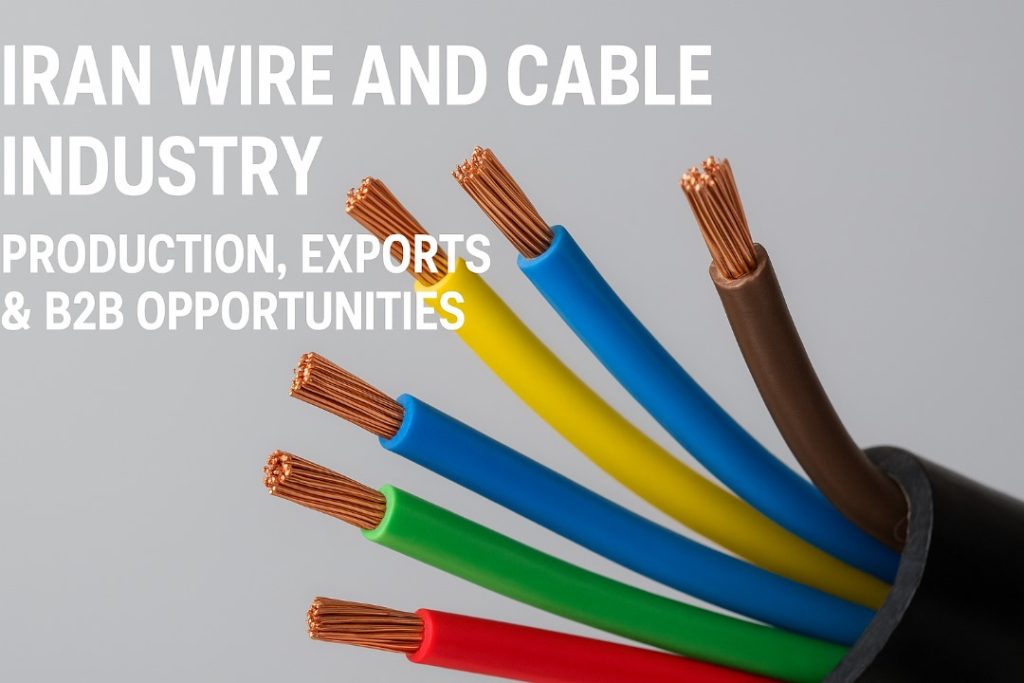
Iran’s wire and cable industry is a cornerstone of the country’s industrial and export sectors, providing essential infrastructure solutions for electricity, telecommunications, and construction. With abundant copper and aluminum resources and well-established manufacturing clusters, Iran has emerged as a competitive regional supplier. Beyond domestic demand, Iran exports cables to neighboring countries and emerging markets, offering reliability and cost-efficiency for B2B traders. This article examines production capacity, product types, domestic applications, export markets, competitive advantages, challenges, and growth prospects.
Production Capacity and Key Manufacturers
Iran has developed significant wire and cable production hubs in Tehran, Isfahan, Yazd, and Tabriz, with factories capable of producing hundreds of thousands of tons annually. Leading manufacturers comply with IEC and ISO standards, supplying low-voltage, medium-voltage, high-voltage, and specialty cables for domestic and export markets. Availability of domestic copper and aluminum ensures consistent production and reduces dependency on imports, giving Iranian companies a competitive edge in both price and delivery reliability.
Types of Cables Produced in Iran
Iranian cable manufacturers produce a broad portfolio:
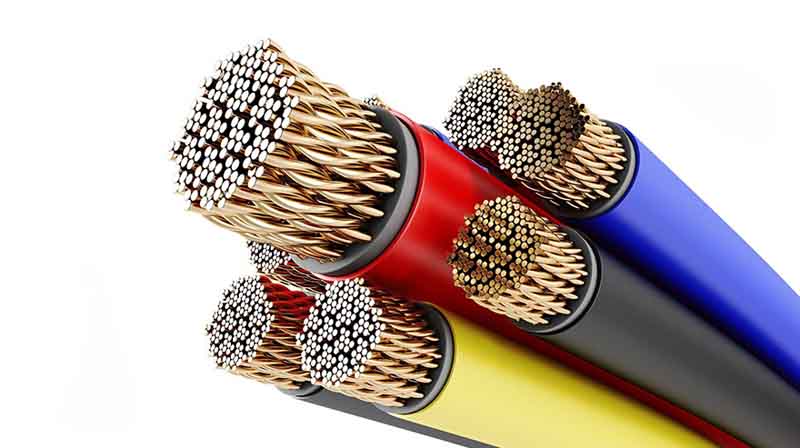
- Copper Cables: High conductivity, used in residential, industrial, and commercial projects.
- Aluminum Cables: Cost-effective, mainly for overhead power transmission.
- Low and Medium Voltage Cables: Essential for urban infrastructure and energy distribution.
- High Voltage Cables: Critical for large industrial and power transmission projects.
- Fiber Optic and Telecom Cables: Growing sector, supporting digital infrastructure and export demand.
Domestic Demand and Applications
Domestic consumption drives the industry, covering:
- Power Networks: Transmission and distribution projects rely on low and medium-voltage cables.
- Construction: Residential and commercial buildings demand reliable wiring.
- Industrial Projects: Oil, gas, petrochemical, and mining facilities need specialized cables.
- Telecommunications: Fiber optic expansion fuels demand for digital infrastructure.
- Automotive: Wiring harnesses for domestic vehicle production support the sector.
Export Markets for Iranian Cables
Iran targets multiple export markets, leveraging geographic proximity and competitive pricing.
Middle East and Neighboring Countries
Key markets include Iraq, Afghanistan, Pakistan, and Turkey. Iraq and Afghanistan require cables for grid expansion and reconstruction. Iran’s proximity ensures lower shipping costs and faster delivery for B2B buyers.
Africa and Emerging Markets
North and East Africa (Egypt, Morocco, Kenya, Tanzania, Ethiopia) are growing demand hubs. Infrastructure development drives need for copper, aluminum, and fiber optic cables. Iranian suppliers can leverage competitive prices to gain market share.
Competitive Advantages of Iranian Cable Industry
- Raw Material Access: Domestic copper and aluminum reduce costs.
- Competitive Production Costs: Lower labor and energy expenses.
- Strategic Location: Access to Middle East, Central Asia, and Africa.
- Quality Standards: IEC and ISO certifications enhance credibility.
- Product Diversity: From low-voltage wiring to high-voltage and fiber optic cables.
Challenges Facing the Industry
- Sanctions & Banking Restrictions: Limit direct international trade.
- Regional & Global Competition: Turkey and China as strong competitors.
- Raw Material Volatility: Fluctuating copper and aluminum prices.
- Technology Gap: Some factories need modernization.
- Logistics & Customs: Higher shipping costs and regulatory hurdles
Opportunities for Growth
- Regional Infrastructure Projects: Expanding electricity and telecom networks in neighboring countries.
- Joint Ventures: Partnerships can bring new technologies and expand exports.
- Specialty Cables: Fire-resistant, submarine, and renewable energy cables.
- Fiber Optics Expansion: Growing global demand for telecom and data infrastructure.
- African Market Expansion: Emerging infrastructure projects create long-term opportunities.
Economic and Strategic Significance
The industry contributes to non-oil exports, foreign currency revenue, and employment. It supports critical sectors including electricity, construction, and telecommunications. For B2B traders, Iranian wire and cable products offer reliability, affordability, and diverse applications.
Conclusion
Iran’s wire and cable industry is a strategic industrial sector with strong domestic demand, diverse products, and export potential. By addressing challenges and leveraging growth opportunities in Africa, Central Asia, and telecommunications, Iran is well-positioned for sustained regional leadership. B2B buyers benefit from a combination of quality, price, and reliable supply, making Iranian cables an attractive option in global trade.
Internal Linking Suggestions
- Pillar Content: Iran’s Electrical Infrastructure Development
- Cluster: Copper Mining and Industrial Applications in Iran
- Cluster: Telecommunications and Fiber Optics in the Middle East