
- Cement Production Capacity and Growth
- Geographic Distribution of Cement Plants
- Major Cement Producers in Iran and Their Strategic Role
- Domestic Market Size
- Export Destinations and Trade Routes
- Standards and Certification
- Types of Cement produced in Iran
- Challenges Facing the Iranian Cement Industry
- Opportunities and Investment Potential
- Conclusion
Introduction
Iran is one of the leading producers of cement in the Middle East and ranks among the top global players in the construction materials sector. With abundant natural resources, including vast limestone and clay reserves, and a long history of industrial activity, Iran has built a comprehensive cement industry. The country not only satisfies its own domestic needs but also plays a growing role in international cement trade. For importers across the Middle East, Africa, and the CIS region, Iran has become a reliable supplier of high-quality cement and clinker. Investors, traders, and construction companies are increasingly looking to the Iranian cement market as both a source of supply and an opportunity for industrial partnership.
Cement Production Capacity and Growth
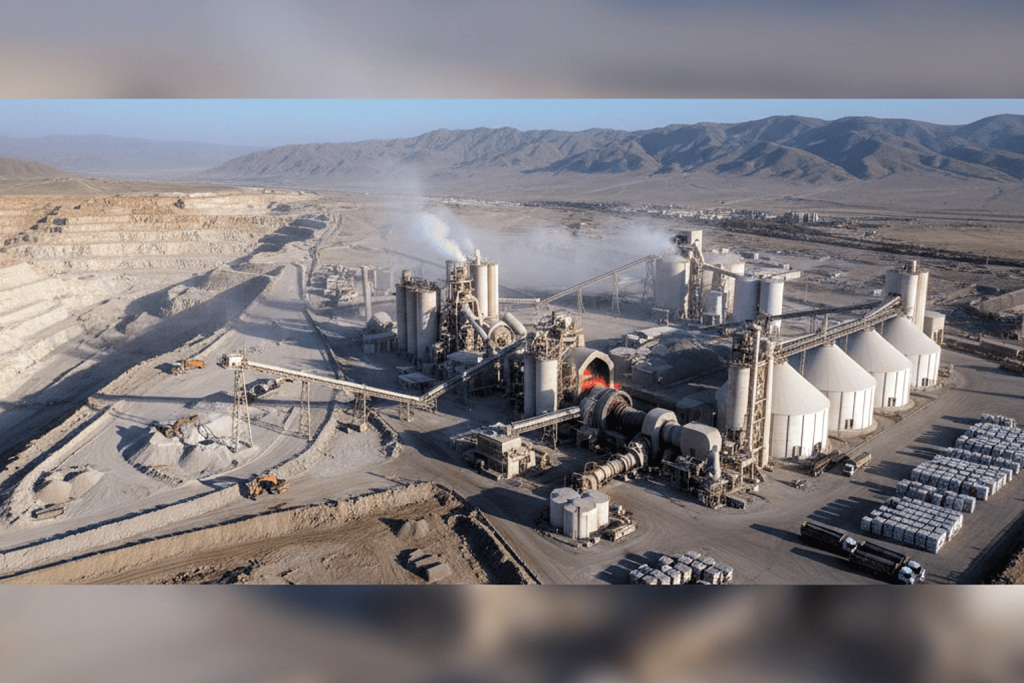
Iran currently has an installed cement production capacity of over 80 million metric tons annually, positioning the country as one of the largest producers worldwide. Actual yearly output ranges between 65 and 70 million tons, depending on domestic demand and export conditions. The Iranian cement industry has benefited from consistent investment in plant modernization, energy efficiency measures, and compliance with international quality standards.
Over the past two decades, Iran’s cement production has grown significantly, driven by infrastructure projects such as highways, housing developments, dams, and industrial zones. Demand in the domestic market accounts for around 50–55 million tons annually, leaving a considerable surplus for exports. This production resilience has enabled Iran to remain competitive even during periods of global economic slowdown.
Geographic Distribution of Cement Plants
Iran hosts numerous cement factories strategically distributed across the country. These plants are typically located close to raw material deposits and near major transport routes, including highways, railways, and seaports. Central provinces such as Isfahan, Yazd, and Kerman supply domestic projects, while southern provinces like Hormozgan, Bushehr, and Khuzestan serve as export gateways through the Persian Gulf.
This geographic diversification minimizes transportation costs and ensures a steady supply chain for both local consumption and international trade. Factories near border provinces such as Kurdistan and Sistan-Baluchestan also enable cross-border exports to Iraq, Afghanistan, and Pakistan.
Major Cement Producers in Iran and Their Strategic Role
Leading Cement Companies and Production Capacity
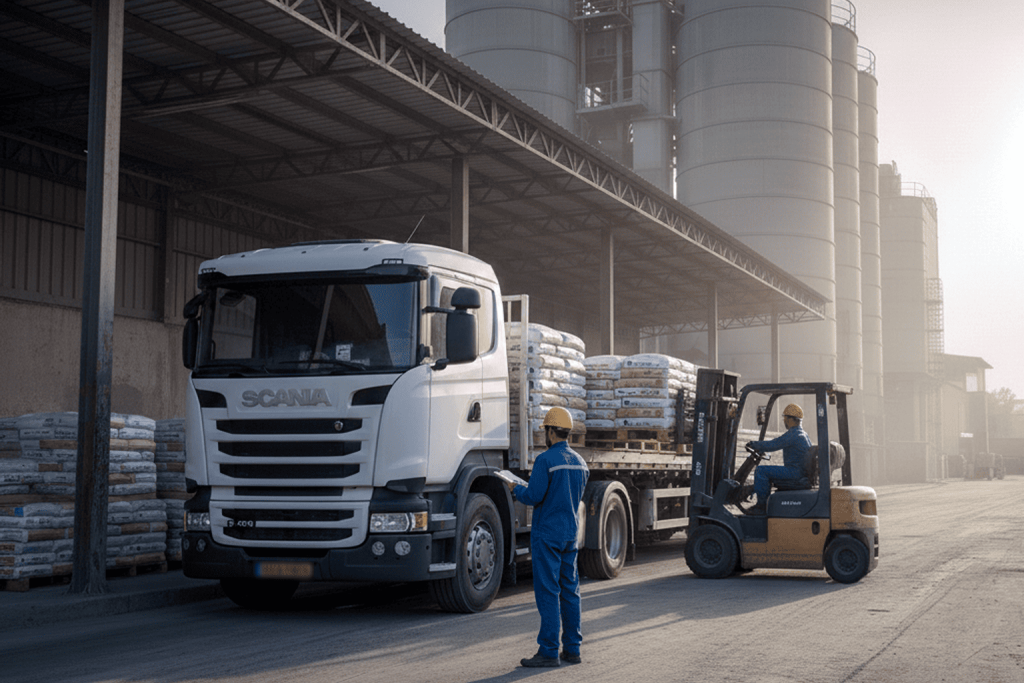
Iran’s cement industry is supported by more than 70 production units, but a handful of companies dominate the market in terms of scale, capacity, and brand recognition. Among the leaders is Tehran Cement Company, one of the oldest and largest producers, with an annual capacity of nearly 4 million tons, serving both domestic and export markets. Sepahan Cement in Isfahan ranks as another major producer, well known for supplying high-quality clinker and specialized cement grades with a capacity exceeding 3.5 million tons per year. Fars & Khuzestan Cement, which operates multiple plants across southern provinces, represents one of the largest integrated groups, collectively producing over 7 million tons annually.
Other notable players include Hormozgan Cement, strategically located near the Persian Gulf with a capacity of 1.8 million tons, making it a key exporter to Gulf Cooperation Council (GCC) countries. Kerman Cement and Shargh Cement (Mashhad) are also influential, with significant roles in supplying domestic mega-projects and neighboring regional markets. Collectively, these producers not only ensure Iran’s position as a top ten global cement supplier but also provide diversification in terms of product range, including Portland cement, white cement, and blended varieties.
Strategic Geographic Advantage in Exports
The competitive edge of Iran’s cement industry lies not only in production volume but also in the geographic distribution of its leading plants. Factories located in southern provinces—such as Hormozgan, Khuzestan, and Bushehr—enjoy direct access to Persian Gulf ports, enabling cost-efficient exports to UAE, Oman, Qatar, East Africa, and South Asia. This maritime connectivity significantly reduces transportation costs and delivery times, making Iranian cement particularly attractive for bulk buyers engaged in infrastructure and construction projects abroad.
In the northeast, Shargh Cement in Mashhad benefits from its proximity to Afghanistan, Turkmenistan, and Central Asian markets, where demand for cement continues to grow with post-war reconstruction and industrial expansion. Western plants such as Kurdistan and Kermanshah Cement maintain logistical advantages for exports to Iraq and the Levant, two of the largest importers of Iranian cement in the past decade. Meanwhile, central producers like Sepahan and Tehran Cement serve as key suppliers for the domestic megaprojects while also acting as hubs for inland distribution toward various border points.
This strategic spread of cement plants across Iran allows the industry to serve multiple regional markets simultaneously, creating resilience against localized market fluctuations. The alignment of production capacity with geographic export advantages ensures that Iran maintains its role as a consistent and cost-competitive supplier in the global cement trade.
Domestic Market Size
Iran’s domestic cement market remains robust, driven by ongoing infrastructure development projects and a growing urban population. Annual domestic consumption is estimated at 50–55 million tons, primarily used in housing, industrial facilities, roads, and mega infrastructure initiatives. The government’s focus on affordable housing schemes and industrial diversification continues to fuel cement demand.
Although economic fluctuations and sanctions have influenced construction growth, cement remains one of the most cost-effective and essential building materials in Iran. Demand stability in the domestic market provides a reliable base for producers, while export opportunities create a buffer against local slowdowns.
Export Destinations and Trade Routes
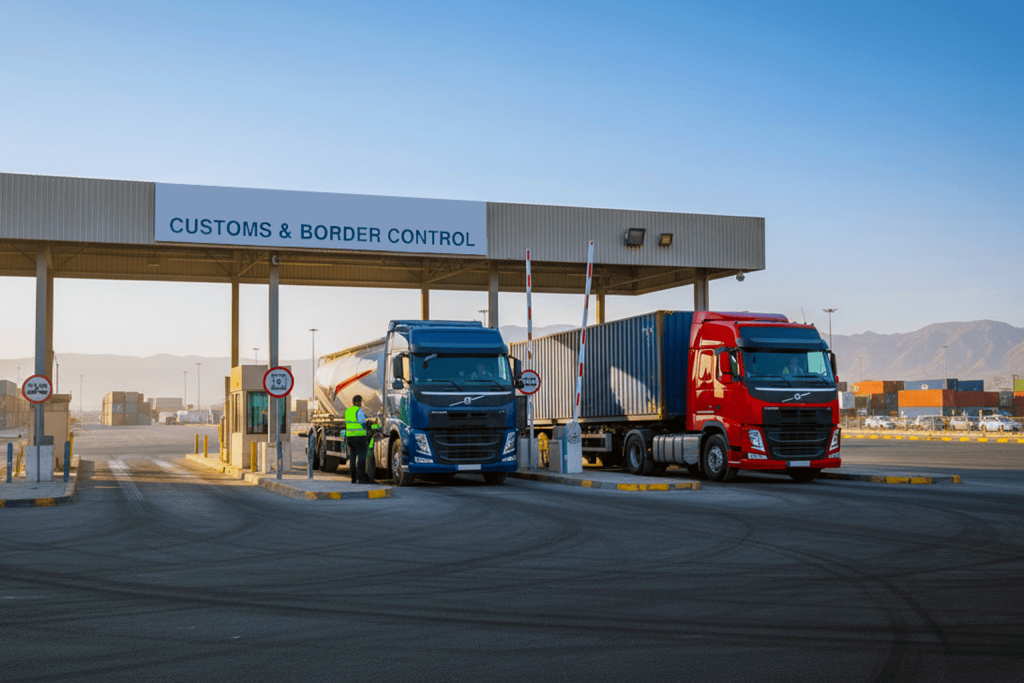
Iran is a major exporter of cement and clinker, supplying neighboring countries and beyond. Key export destinations include Iraq, Afghanistan, Pakistan, Kuwait, Qatar, Oman, and the UAE. Beyond the Middle East, Iran exports cement to East Africa (Kenya, Tanzania, Mozambique) and CIS countries such as Turkmenistan and Azerbaijan.
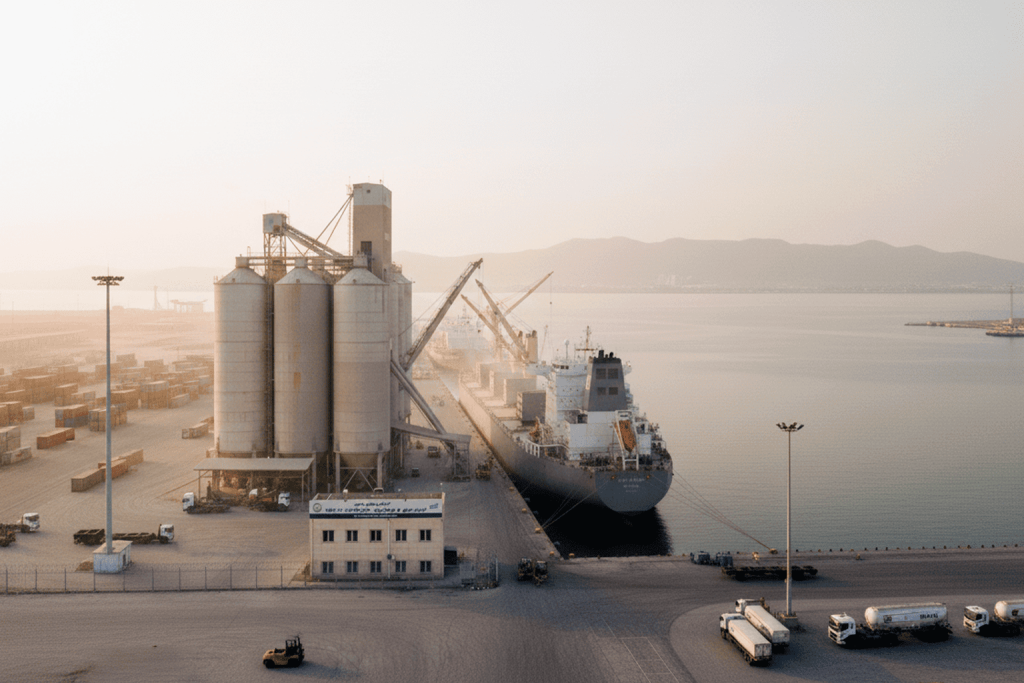
Exports are facilitated by Iran’s access to the Persian Gulf and Caspian Sea, providing multiple shipping routes. Cement and clinker are shipped in bulk via seaports like Bandar Abbas, Imam Khomeini Port, and Bushehr, while land exports move through border crossings into Iraq, Turkey, and Central Asia.
Annual cement and clinker exports typically range between 12–15 million tons, depending on demand in regional markets. This makes Iran one of the top exporters in West Asia.
Standards and Certification
Iranian cement producers comply with international standards, ensuring that products meet the requirements of importing countries. Many factories hold ISO 9001 quality management, ISO 14001 environmental management, and OHSAS 18001 occupational health and safety certifications. Additionally, cement destined for international markets often adheres to ASTM (American Society for Testing and Materials) and EN (European Norms) standards.

Types of Cement produced in Iran
As one of the world’s largest cement producers, Iran has a diversified portfolio of cement types tailored to meet different construction needs and export markets. The variety of products enables the industry to serve both domestic mega-projects and international buyers seeking specialised solutions.
Ordinary Portland Cement (OPC): OPC is used in general construction, such as residential buildings, roads, and bridges. It offers high strength and durability, making it a cornerstone of Iran’s domestic and export markets.
Portland Pozzolana Cement (PPC): Known for improved resistance to sulphates and lower heat of hydration, PPC is often used in dams, marine structures, and foundations. Its eco-friendly composition, which utilizes natural pozzolans, also reduces the carbon footprint.
Sulphate Resistant Cement (SRC): Designed for environments exposed to high sulphate concentrations, SRC is commonly used in coastal infrastructure, sewage treatment plants, and water channels. Iranian SRC is in demand in Middle Eastern countries with harsh soil and water conditions.
White Cement: Produced with a special process to maintain brightness and low iron content, white cement is primarily used in decorative and architectural applications. Iran is a leading regional supplier due to its competitive pricing and consistent quality.
Oil Well Cement: This highly specialized type is manufactured to meet the extreme conditions of oil and gas well drilling. Its resistance to high temperatures and pressures makes it a strategic product for both domestic use in Iran’s energy sector and export to neighboring oil-producing countries.
Clinker: Beyond finished cement products, Iran is also a major exporter of clinker, the key raw material for cement production. This allows international buyers to import clinkers and process it locally, providing flexibility in cost and logistics.
Collectively, these cement types highlight Iran’s capability to meet diverse industrial and infrastructural demands, reinforcing its position as a global hub for cement and clinker exports.
Challenges Facing the Iranian Cement Industry
Despite its strong fundamentals, the Iranian cement industry faces several challenges. Key issues include:
- Energy costs: Although Iran has access to affordable natural gas, rising costs and energy efficiency requirements remain concerns.
- Overcapacity: With production capacity surpassing 80 million tons, maintaining balanced demand and supply is a recurring challenge.
- Sanctions and banking restrictions: International sanctions occasionally complicate payment processes and shipping arrangements.
- Environmental pressures: Cement production is energy-intensive and generates emissions, requiring continuous investment in cleaner technologies.
Addressing these challenges is essential for long-term competitiveness and sustainability.
Opportunities and Investment Potential
On the other hand, Iran’s cement industry offers substantial opportunities for investors, traders, and construction companies. These include:
- Regional demand growth: Rapid urbanization in the Middle East, Africa, and Central Asia continues to drive cement imports.
- Low production costs: Access to raw materials and affordable energy makes Iranian cement highly competitive.
- Export diversification: Expansion into African and Asian markets provides opportunities beyond the immediate neighborhood.
- Joint ventures and technology transfer: Partnerships with international investors can enhance production efficiency and environmental performance.
Iran’s strategic geographic location and strong industrial base position it as a cement hub for the wider region, making it attractive for foreign investment in production, distribution, and logistics infrastructure.
Conclusion
Iran’s cement industry is a cornerstone of its economy and a critical supplier to neighboring markets. With vast production capacity, a wide distribution of factories, and access to key export routes, the country has firmly established itself as a regional leader in cement and clinker trade.
While challenges such as overcapacity, sanctions, and environmental pressures remain, opportunities for growth and international collaboration are significant. For importers in the Middle East, Africa, and CIS, as well as investors seeking reliable industrial ventures, Iran represents one of the most competitive sources of cement globally.